Why Is FCA on Your Bill Two Months Old? July FCA Explained
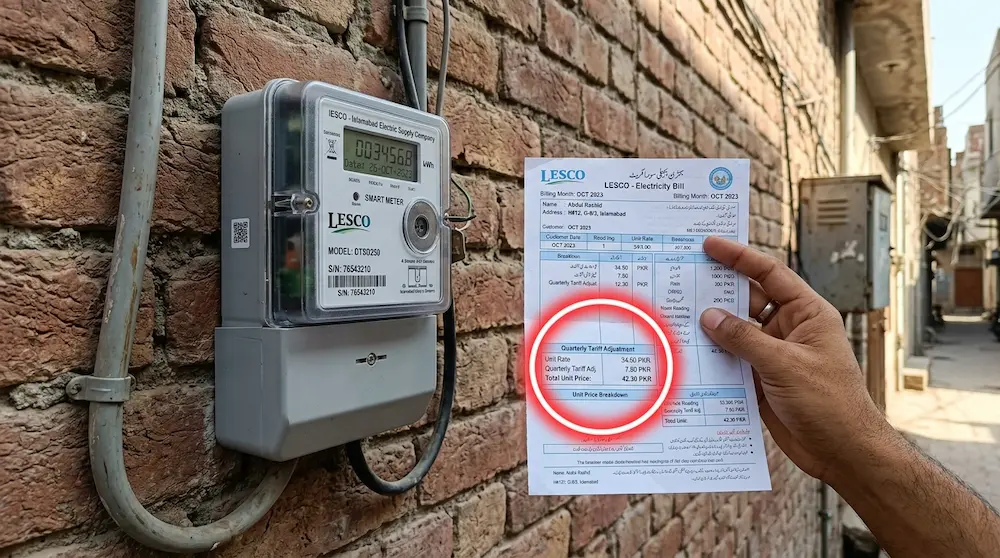
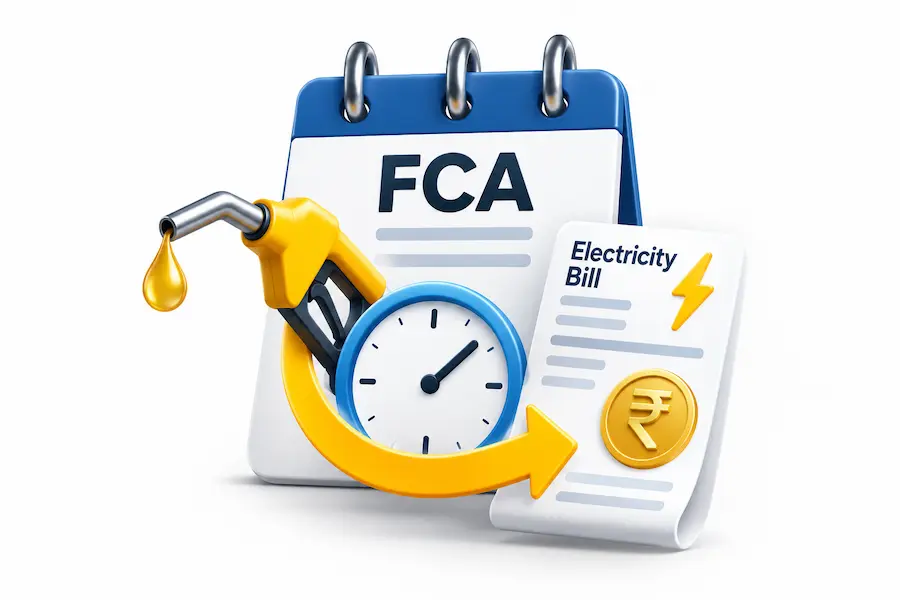
If your electricity bill shows a Fuel Charges Adjustment (FCA) for an earlier month, the delay is part of the regulatory process. The fuel cost is calculated for the month in which electricity was generated, but the adjustment is reviewed and approved afterward.
That is why July’s FCA can appear on bills issued in September.
Why Is FCA Two Months Old?
The easiest way to understand the timing is:
July → actual fuel and generation data → August review → September bill adjustment
Electricity generation data cannot be finalized before the month ends. After July, the relevant energy-purchase and fuel-cost information is compiled and submitted for the FCA process. For July 2026, the Central Power Purchasing Agency (CPPA-G) submitted the XWDISCOs’ July energy-purchase data to NEPRA on 13 August 2026. The official data includes generation, fuel charges, previous adjustments and other power-purchase figures. NEPRA then reviews the submitted information before determining the applicable adjustment.
So the FCA on a September bill is not a new September fuel charge. It relates to July’s fuel-cost period.
How Is the FCA Calculated?
The basic calculation is straightforward:
Fuel Price Variation = Actual Fuel Cost Component − Reference Fuel Cost Component
The actual fuel cost represents the relevant cost incurred for electricity generation, while the reference fuel cost is the amount built into the applicable tariff calculation.
If the actual cost is higher than the reference amount, the FCA can be positive and add to the bill. If the actual cost is lower, the adjustment can be negative and reduce the amount payable. NEPRA’s published methodology confirms this calculation and states that the approved adjustment is shown separately on the consumer bill.
What Is Happening With July 2026 FCA?
July 2026 is particularly important because the official CPPA-G data shows an FCA rate of Rs2.5182 per kWh in its July energy-purchase submission, alongside a reference rate of Rs7.0929 per kWh and an average rate of Rs9.6112 per kWh.
However, this figure should not automatically be treated as the final amount that every consumer will pay.
The submitted figure goes through the regulatory process. The amount appearing on a later bill depends on the approved FCA and its application to the consumer’s applicable units.
NEPRA’s official records are therefore the right place to check the final determination rather than relying on an early estimate.
How Much Could July FCA Add?
If the Rs2.5182 per-unit figure were approved and applied at that exact rate, the FCA portion would work out approximately as follows:
| Units | FCA amount |
|---|---|
| 100 | Rs251.82 |
| 200 | Rs503.64 |
| 300 | Rs755.46 |
| 500 | Rs1,259.10 |
| 1,000 | Rs2,518.20 |
These are illustrative calculations, not a prediction of the final September bill. Your actual amount depends on the approved rate and the number of applicable units.
Why Did July’s FCA Need a Review?
The July data shows substantial power-generation activity. The official submission records more than 15.12 billion kWh of energy units and detailed fuel costs across hydel, nuclear, coal, gas, RLNG, RFO, solar and wind generation.
That matters because the cost of producing electricity is not identical every month. The generation mix changes, and different power sources have different costs.
The FCA process accounts for the difference between the actual fuel-cost component and the reference amount used in the tariff.
Why Doesn’t CPPA-G’s Figure Automatically Become Your FCA?
This is an important distinction.
There can be a difference between:
- the amount submitted for adjustment;
- the amount examined during the regulatory process;
- the amount approved by NEPRA; and
- the amount ultimately applied to consumer bills.
Therefore, a reported or submitted July FCA rate should not be presented as the final September charge until the relevant regulatory decision is available.
Does FCA Permanently Increase the Tariff?
No. FCA is a monthly adjustment mechanism, not simply a permanent replacement of the underlying tariff rate.
Its purpose is to account for variation between actual and reference fuel costs. A positive adjustment can increase a bill for the relevant period, while a negative adjustment can reduce it. This is also why one month’s FCA should not automatically be treated as a permanent increase in the base electricity tariff.
Also read: September 2026 Electricity Bill Increase Explained: QTA Expiration
What Should You Check on Your September Bill?
When September bills arrive, check:
- the FCA line on the bill;
- the approved per-unit FCA rate;
- your billed electricity units;
- the amount added through FCA;
- the billing period shown on the statement.
The most important point is simple:
A July FCA appearing in September does not mean July’s bill was calculated incorrectly. It means July’s fuel-cost variation is being recovered after the underlying data has gone through the required review process.
July → August → September
- July: electricity is generated and fuel-cost data is recorded.
- August: the July information is submitted and reviewed.
- September: the approved adjustment can be reflected in consumer bills.
That two-month-looking gap is therefore mainly a difference between the month in which the cost occurs and the later month in which the approved adjustment is billed.
Official Verification
The calculation method and July 2026 energy-purchase figures used above come from official NEPRA records and the July 2026 CPPA-G submission.
Status: The July 2026 FCA should be checked against the latest NEPRA determination before publishing any figure as the final September rate.