
No July Tariff Rebasing in 2026: Why Pakistan Moved to January
If you expected Pakistan’s electricity tariff to receive its usual annual reset on July 1, 2026, nothing was missed.
The annual consumer-end tariff rebasing cycle has moved from July to January. The last rebasing under the old schedule took effect on July 1, 2025. Federal policy then directed NEPRA to revise the tariff-setting timetable so annual rebasing takes effect from January 1 each year after the required regulatory proceedings.
That is why July 1, 2026 passed without the annual tariff rebasing consumers had become accustomed to seeing at the start of a new fiscal year.
There is one important distinction: no July annual rebasing does not mean electricity bills cannot change during the year. Monthly and periodic adjustments remain separate regulatory mechanisms.
What Changed From the Old Tariff Calendar?
Previously, Pakistan’s annual consumer-end tariff process followed the fiscal-year cycle.
| Old schedule | New schedule |
|---|---|
| Annual rebasing effective July 1 | Annual rebasing effective January 1 |
| Aligned with start of fiscal year | Aligned with calendar year |
| Rebasing landed during peak summer consumption | Rebasing moves to the lower-consumption winter period |
| Power Purchase Price references followed the previous tariff cycle | CY 2026 references were prepared for January–December |
NEPRA’s records state that the established process had resulted in annual rebasing being notified in July. The Federal Government subsequently directed the regulator to amend the relevant timelines, rules and procedures so the rebased tariff would instead take effect from January 1.
For the transition, NEPRA also approved Power Purchase Price forecasts for Calendar Year 2026 — January through December — rather than treating July 2026 as the start of another annual consumer tariff cycle.
Why Was Annual Rebasing Moved Away From July?
The official reasoning was tied to the timing of household electricity costs.
The Ministry of Energy told NEPRA that annual rebasing had been occurring during summer, when electricity consumption is already high. Fuel-cost adjustments could also fall in the same period. When an upward rebasing coincided with heavy seasonal consumption, the result could be a sharp increase in the total bill.
The government’s policy was therefore to move the annual reset to winter, when electricity demand is generally lower and a tariff revision can have a less severe immediate effect on monthly household bills.
This was a change in timing, not a cancellation of tariff rebasing.
NEPRA itself made that point in its January 2026 determination: shifting rebasing to January does not remove the underlying consumer impact that would otherwise have been recovered through the tariff. It changes when the annual reset enters the billing cycle.
So Why Could a July Bill Still Be Higher?
Because annual rebasing is only one part of Pakistan’s electricity-pricing system.
NEPRA continued issuing Fuel Charges Adjustments and periodic tariff adjustments during 2026, including a periodic adjustment notified in June and subsequent monthly FCA proceedings.
So a higher July, August or September bill should not automatically be described as a new annual base-tariff hike.
Consumption, an applicable FCA or another notified adjustment may have changed the payable amount even though July 1 was no longer the annual rebasing date.
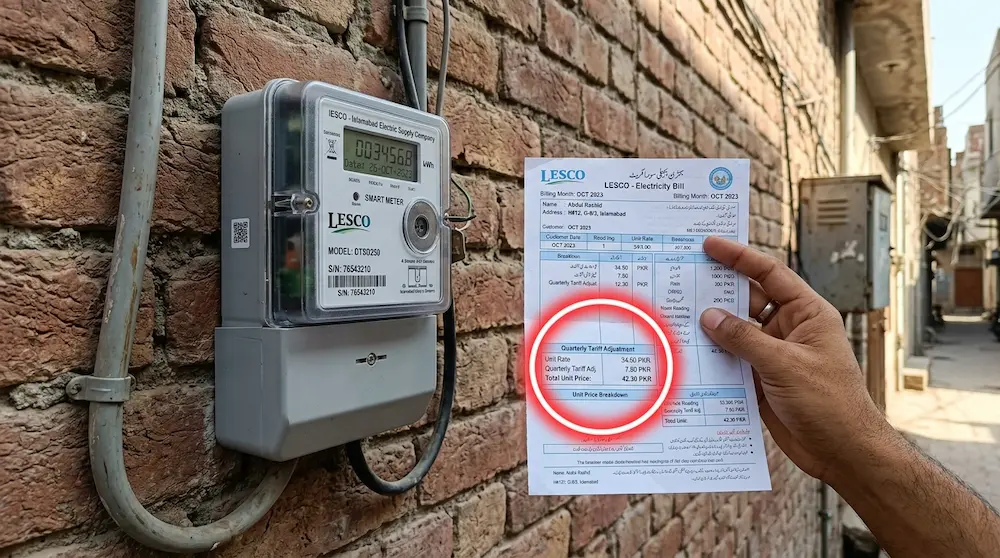
If an older FCA appears on a later bill, see our explanation of why an FCA can appear months after the electricity was consumed rather than treating it as a permanent tariff increase.
You can also check your current electricity bill and select your DISCO to compare the actual charges shown on your statement.
What Happens to Annual Rebasing Now?
The key date to watch is January, not July.
NEPRA’s 2026 tariff determinations were built around a January-to-December calendar-year framework, and the Federal Government issued individual tariff notifications for the XWDISCOs in January 2026. NEPRA’s records list those notifications for FESCO, GEPCO, HAZECO, HESCO, IESCO, LESCO, MEPCO, PESCO, QESCO, SEPCO and TESCO on January 13, 2026.
For consumers, the practical rule is now simple:
July is no longer the automatic annual electricity-tariff rebasing point. January is the new annual rebasing window.
A bill can still move during other months because of separately approved adjustments, but those changes should not be confused with the annual rebasing itself.